Connect with us:410-802-1310
Connect with us:410-802-1310

Published in the February 2026 Edition
By GBMC Healthcare

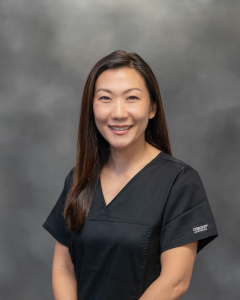
Laser hair removal is an often overlooked, but critical part of transition care for transgender patients. Facial hair is one noticeable area, but removing chest, back, and other body hair can provide an equal source of comfort, confidence, and alignment with gender identity.
“Laser hair removal is probably the service we do most for the transgender community,” Esther Kim, DNP, FNP-BC, a board-certified nurse practitioner at Greater Beauty and The Vein Center at GBMC, said, “especially facial hair removal, because it really helps with gender dysphoria.”
“Even when it’s temporary, any little bit helps. Reducing facial hair makes daily maintenance easier and helps patients feel more confident.”
Insurance acceptance has expanded access to care, yet Kim is still among very few laser hair removal specialists in the region who accept insurance. Care is individualized, goal-oriented, and focused on educating patients to ensure their care fits their needs. Some patients self-select to see Kim while others are required to go through hair removal treatment before surgery.
Laser hair removal can be done before, after, or concurrently with hormone therapy. While estrogen may slow growth and thin hair, it does not eliminate follicles.
“If hormone doses change, we may see some hair growth during the laser process, and that’s something we talk through with patients,” Kim said.
Laser targets pigment or melanin in hair follicles. Because of this, it unfortunately cannot be used to treat gray, white, red, or very light blonde hair. Electrolysis is required for those hair types, which treats individual hairs manually.
It’s important patients understand laser provides permanent hair reduction, not total removal. Once a follicle is destroyed, it will not grow back, but dormant follicles can activate later. The goal is 80% or greater reduction through a typical course of treatment, with possible maintenance treatments following to catch the dormant follicles.
During an initial course of treatment, patients will see Kim for six to eight sessions, spaced 4-6 weeks apart, depending on the need. Face and neck treatments can take 10 minutes, but legs or larger areas can take an hour or more. The sensation is generally tolerable, though uncomfortable. Some patients choose to split treatments into multiple visits for comfort.
Gender-affirming care is not one-size-fits-all. Inclusive services like laser hair removal reflect a broader commitment to meeting patients where they are. Backed by institutional support and individualized care planning, Greater Beauty at GBMC is helping ensure transgender patients have access to services that support their health, identity, and confidence throughout their care journey.
For more information, visit https://greaterbeautymedspa.com/